
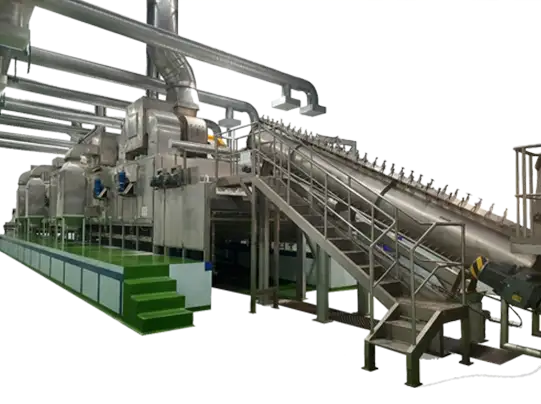
A modern coconut processing plant can convert fresh coconuts into several high-value products including coconut milk, coconut water, desiccated coconut, virgin coconut oil and other coconut-based ingredients.
However, successful plant design requires proper integration of processing machinery, utilities, hygiene systems, automation and material flow.
Step 1: Decide the Final Coconut Product
The first step is to define what the plant will manufacture.
Common products include:
- Desiccated coconut
- Coconut milk
- Coconut cream
- Coconut water
- Virgin coconut oil
- Coconut powder
- Dried coconut products
- Coconut by-products
Different products require different processing lines.
Step 2: Define Production Capacity
Capacity should be established in terms of:
- Coconuts per day
- Raw material kg/hr
- Finished product kg/hr
- Operating hours per day
- Annual production requirement
Selecting oversized machinery increases capital expenditure, while undersized machinery creates production bottlenecks.
Step 3: Develop the Process Flow
A typical coconut processing sequence may include:
Receiving → Dehusking → Deshelling → Paring → Washing → Size Reduction → Product-Specific Processing → Packaging
For desiccated coconut, additional operations include:
Grinding → Drying → Grading → Packing
For coconut milk:
Grinding → Extraction → Filtration → Homogenization → Pasteurization → Packaging
Step 4: Select Coconut Processing Machinery
The equipment should be selected based on:
- Product characteristics
- Capacity
- Hygiene requirements
- Automation level
- Utility availability
- Cleaning requirements
- Final product specification
Using an integrated line helps reduce manual product handling and process losses.
Step 5: Engineer the Drying System Correctly
Where drying is required, the system must be sized according to the amount of water that needs to be removed.
Important information includes:
- Wet feed rate
- Initial moisture
- Final moisture
- Product temperature limitation
- Heating medium
- Required residence time
Depending on the coconut product, capacity and required moisture reduction, a Band Dryer or Combination Dryer can be selected for controlled industrial drying.
Step 6: Plan Utilities
A coconut processing facility may require:
- Electricity
- Steam
- Hot air
- Water
- Compressed air
- Chilled water
- Cleaning systems
Utility planning should be completed during the design stage rather than after machinery installation.
Step 7: Consider Automation
PLC- and HMI-based automation can help control:
- Temperatures
- Feed rates
- Conveyor speed
- Drying time
- Airflow
- Process alarms
Automation improves consistency and makes plant operation easier to monitor.
Step 8: Validate Critical Processes
Before investing in large-scale drying equipment, trial testing can reduce technical risk.
GEM Cocotech’s Dried & Tested approach can help establish real drying parameters from the client’s material before final equipment design.
Benefits of a Turnkey Coconut Processing Plant
A properly integrated turnkey plant can provide:
- Higher production efficiency
- Consistent product quality
- Lower product handling
- Better hygiene
- Reduced manpower
- Easier automation
- Single-point engineering responsibility
Conclusion
Setting up a successful turnkey coconut processing plant requires much more than purchasing individual machines.
The process should be designed as an integrated system covering raw material handling, processing, drying, utilities, automation and packaging.
GEM Cocotech provides customized coconut processing machinery and turnkey processing solutions designed around product requirements, capacity and plant conditions.